

Its platform uses high-resolution cameras, computer vision, and cloud-based analytics to capture and classify vehicles in real time.
As surveillance technology becomes more sophisticated, the debate over its role in society is intensifying. Networked camera systems have spread rapidly across the United States. Marketed as a crime-fighting tool, this technology uses artificial intelligence and Automated License Plate Recognition (ALPR) to identify vehicles linked to criminal activity and search for them. While these capabilities can assist law enforcement, they also raise significant questions regarding privacy, transparency, and the long-term consequences of building large-scale surveillance networks.
Flock Safety
One of the companies at the center of this in the United States is Flock Safety. Its platform uses high-resolution cameras, computer vision, and cloud-based analytics to capture and classify vehicles in real time. Rather than simply recording license plates, the system can identify characteristics such as vehicle make, model, color, damage, roof racks, bumper stickers, and other distinguishing features. The resulting data can be searched through a centralized platform used by participating law enforcement agencies and organizations. Flock argues that this technology helps recover stolen vehicles, locate missing persons, and generate investigative leads within minutes rather than hours. However, as more cameras are deployed, the system becomes increasingly interconnected, allowing agencies to reconstruct vehicle movements across large geographic areas with remarkable speed and precision.
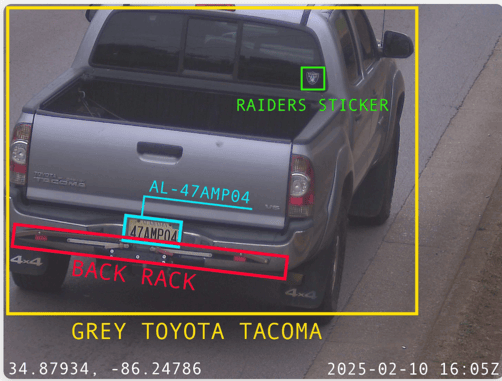
Flock Controversy
This expanding surveillance capability is the source of growing controversy. A network capable of continuously logging vehicle locations can create detailed records of ordinary people’s movements, even when they have committed no crime. Although each camera captures only a snapshot, the network as a whole can produce powerful location-tracking capabilities, revealing patterns in where people live, work, worship, or seek medical care. Questions surrounding data retention, inter-agency sharing, cybersecurity, and public oversight have further fueled concerns that this technology may outpace the policies designed to regulate its use. While solving crimes is important, this should not come at the expense of fundamental civil liberties.
Deflock
Deflock is a community-driven initiative dedicated to documenting the locations of Flock cameras across the country. Volunteers have compiled publicly available data on camera installations and created an interactive map showing where automated surveillance systems are in operation.
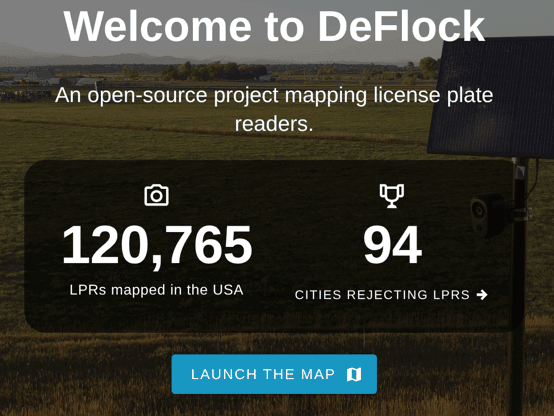
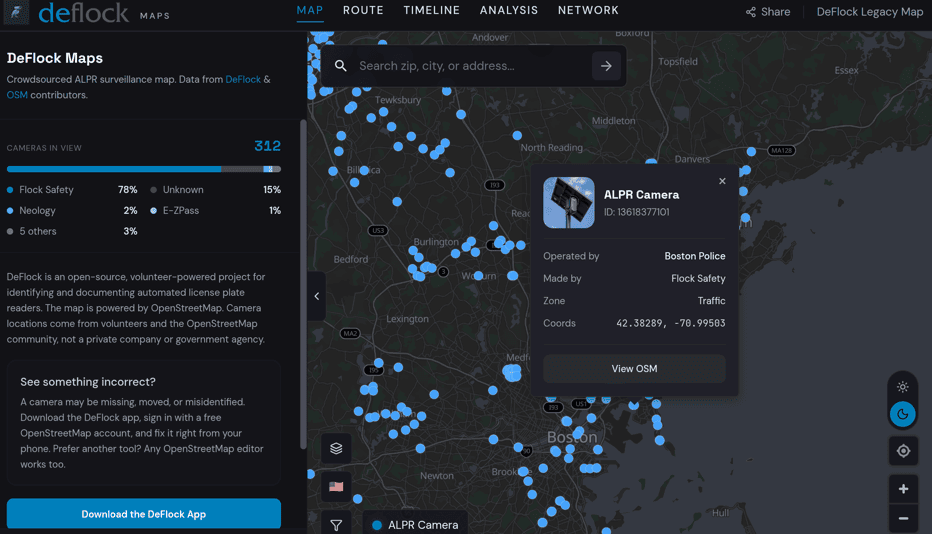
The Deflock website also facilitates public discussion, accountability and democratic oversight of surveillance infrastructure.
Bottom Line
A network that can continuously log detailed records of ordinary people’s movements, even when they have committed no crime, is akin to a police surveillance state. As AI-powered monitoring continues to expand, efforts like Deflock highlight a simple but fundamental principle: people should know how, when, and where technology is collecting data about their daily lives. Transparency is not an obstacle to public safety; it is essential to maintaining public trust.
Let us know your thoughts in the comments about ALPR and the increasing surveillance camera network.
—

There is no escape from it , Americans can virtually go no where without some sort of surveillance cameras picking them up, anything from facial recognition to vehicle tag readers , this is not something you can “opt out of” and still live a normal life.
Americans complain about the collection of their information by the Chinese, what you need to worry more about is the collection of your information by your very own country, because unless you are in your own home (and THAT is even questionable) or in a public restroom or locker room where cameras are prohibited , your being tracked.
Thanks for the reply Ed.
Would be nice if you could “opt out of” this!
To complement John’s article, you can check out the Electronic Frontier Foundation (EFF)
Atlas of Surveillance Map
You can enter a city, county, state, or agency to see what toys law enforcement has available to them.
As one member of our team rightly pointed out, civilian surveillance is not limited to the United States.
Richard
Yes indeed “civilian surveillance” is almost everywhere in the world these days.
The old notion of innocent until proven guilty is long gone.
Now replaced by “everyone is guilty even when proven innocent”.
It’s a very sad state of affairs and goes to show that the notion of living in a free society has been well and truly replaced by something almost evil.
There is no escape from the surveillance unless you never drive on a main road.
I live quite a way from my nearest shopping town and the only way I can see to avoid constant scrutiny is just don’t go to town.
So I shop only once a month now. Other than that I generally stay home.
I only place in the whole world where I am not under surveillance is inside my own house so that seems to be where I have to stay.
It’s very sad.
Hi Clissa,
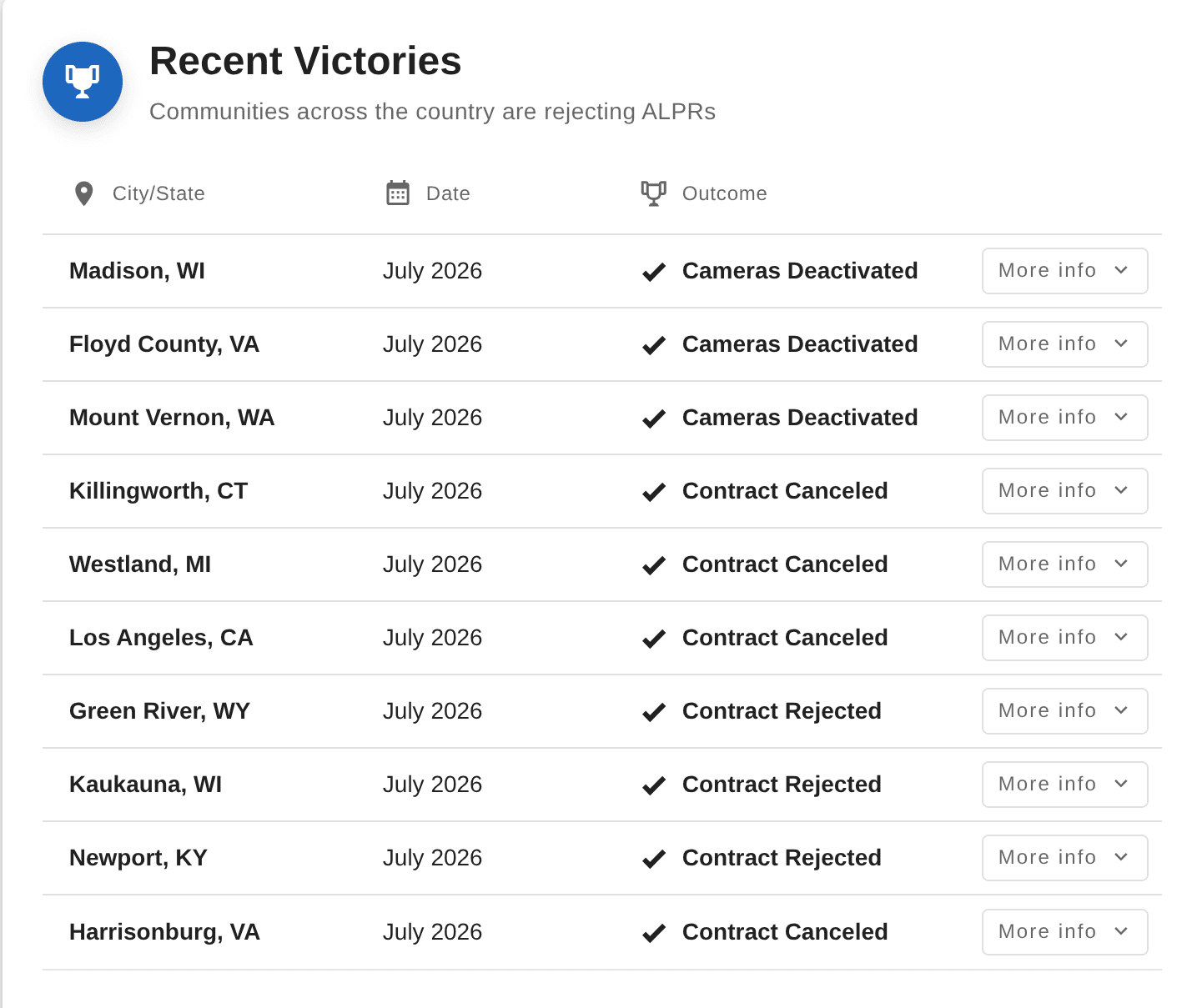
There is a lot of controversy about these surveillance cameras. And, there are a lot of communities that are removing the cameras and the contracts.
Nothing in my personal house is recording anything.
I have managed to maintain all my old stuff.
And no computer anymore and all aspects of the phone are turned off until required then on for a few mins then off again.
Even google doesn’t know where I live. It thinks it does but it’s way off.
I love that.
And they don’t even know my name.
So there are ways but it requires you to forego all modern stuff. I don’t mind as find the new stuff to be cheap, nasty and generally built to break fast.
Thanks for the additional link, Richard.
Atlanta, Georgia, USA has more video surveillance cameras than any city in the U.S. To find a city with more, you’d have to go to China. 60,000+ cameras per the Atlanta Journal Constitution. https://www.youtube.com/watch?v=-JA-H_PrjtU
Hi Mark H,
The People’s Republic of Atlanta?
Everything in your house, car, phone or laptop is recording all the info it needs on you. So it dont bother me to add a little safety with flock.