

In March 2016, DCT author Daniel Banks asked Are Smartwatches Just A Fad? Then, in September 2021, I wrote, I Just Bought My First Smart Watch!, followed by my most recent opinion in I Underestimated The Power Of Smart Watches, where I made mention of the new Samsung Galaxy Watch Ultra (2025).
Daniel was not convinced that smartwatches would catch on, dismissing them as a fad, much as I did back in 2021. One of the comments on Daniel’s article even mentioned Dick Tracy and his famous gadget watch, which led me to think about how much fiction has influenced technology and/or brought many of those ideas to reality – much like Joe 90’s glasses with built-in electrodes for storing his brain information – think smart glasses. When I was a kid, it was a while before I acquired a wristwatch, and I imagined I could send secret messages by lifting my wrist to my mouth and whispering into the watch. As far as I was concerned, that was as real as it got.
Fiction has now become fact, and in 2021, I was far too dismissive of smartwatch technology, yet in my recent missive, I said I was hankering after the new Samsung Galaxy Watch Ultra, which has now become a reality. But before I delve into the new shiny thing, let’s take a look at the main specs of my previous smartwatches to see how far this tech has advanced in a relatively short time.
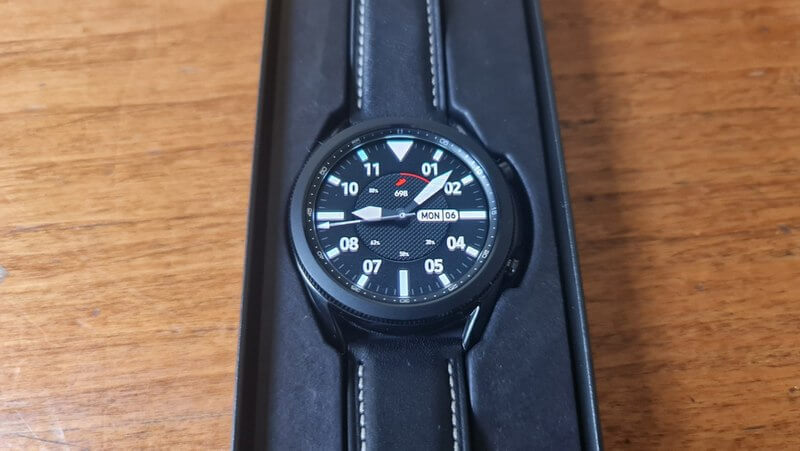
The Samsung Gear 3 Frontier (2016) has 4GB of storage, 768MB of RAM, Exynos 7 Dual 7270 14nm, 380mAH battery, weighs 63g, and numerous sensors.
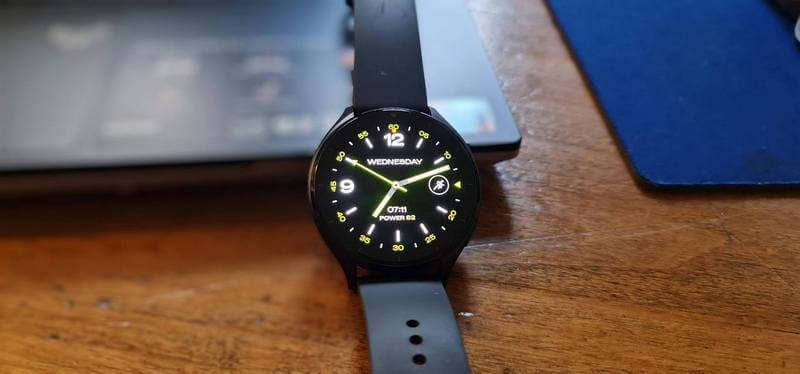
The Xiaomi Watch 2 has 32GB of storage, 2GB of RAM, Qualcomm Snapdragon W5+ Gen 1 (4 nm), 495mAH battery, weighs 36.8g, and numerous sensors.
Neither have cellular connectivity, but do have WiFi and Bluetooth.
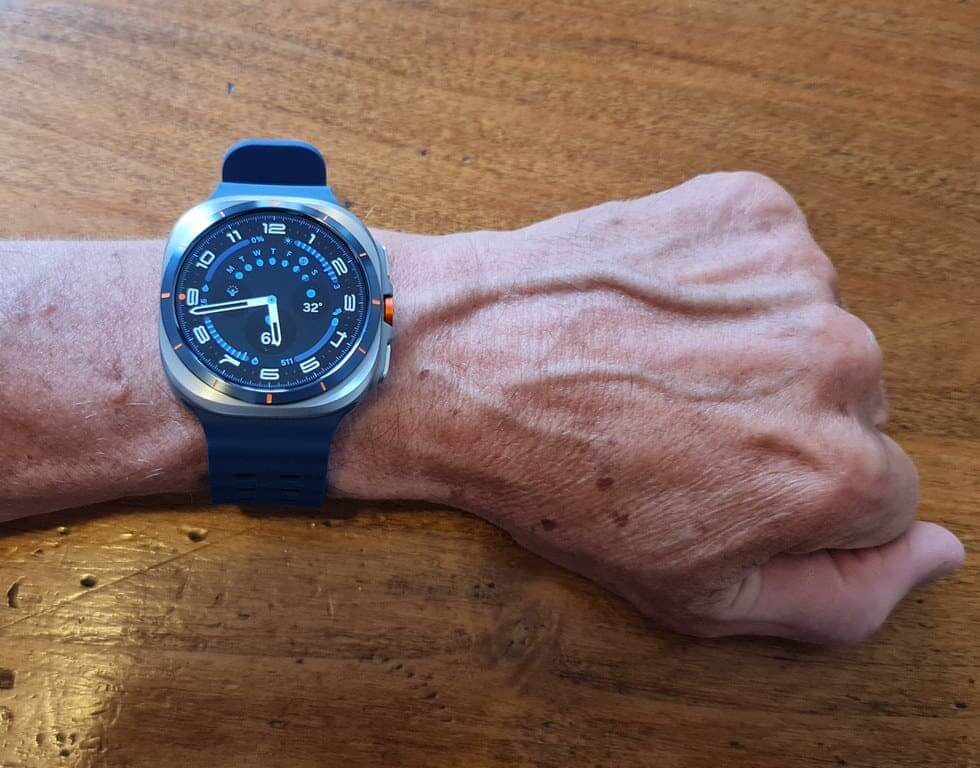
Samsung Galaxy Watch Ultra (2025) has 64GB of storage, 2GB of RAM, Exynos W1000 (3 nm) pentacore, 590mAH battery, weighs 60.5g, and is packed with sensors and other features. It also has GSM/HSPA/LTE, which I’ll describe later.
Samsung Galaxy Watch Ultra (2025)
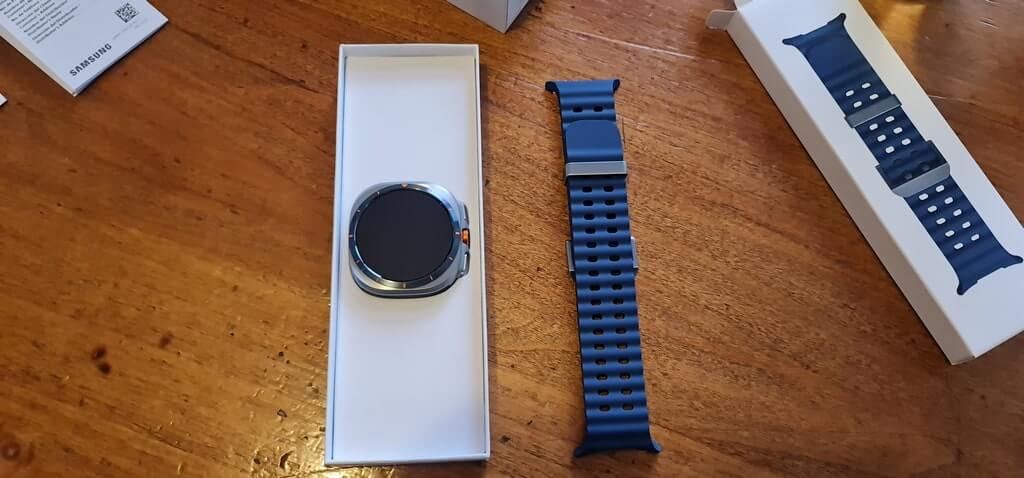
Now that Argentina has finally stepped into the 21st century, I ordered the watch through our local platform, Mercadolibre, which promised a delivery time from the USA of just over a week. I wasn’t disappointed, and it arrived at my house in exactly one week, and also at a price of $200 less than advertised on other platforms. Unboxing was fun because the quality of the box and security tabs definitely spelled ultra. Setting it up with my Galaxy Note 20 Ultra was a breeze through the Galaxy Wearable app, and within a few minutes, I was up and running, with 75% battery charge out of the box.
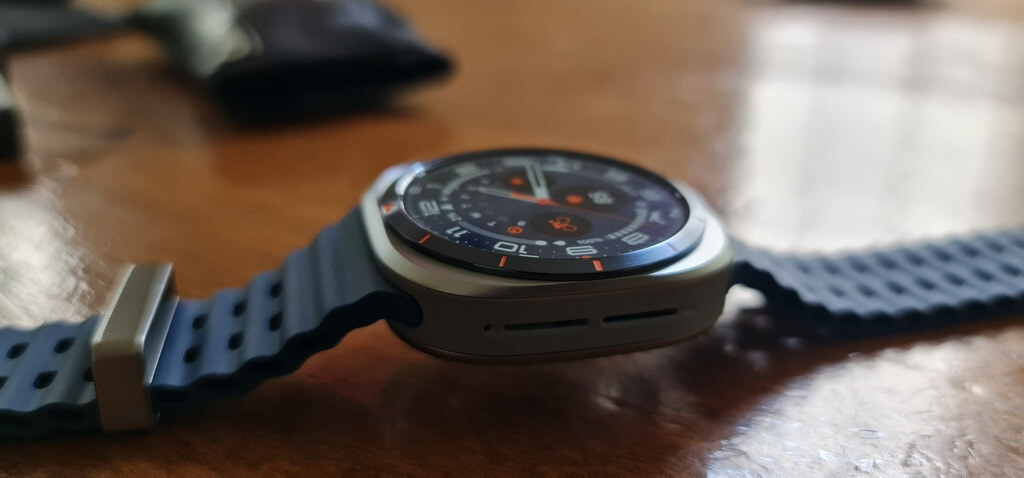
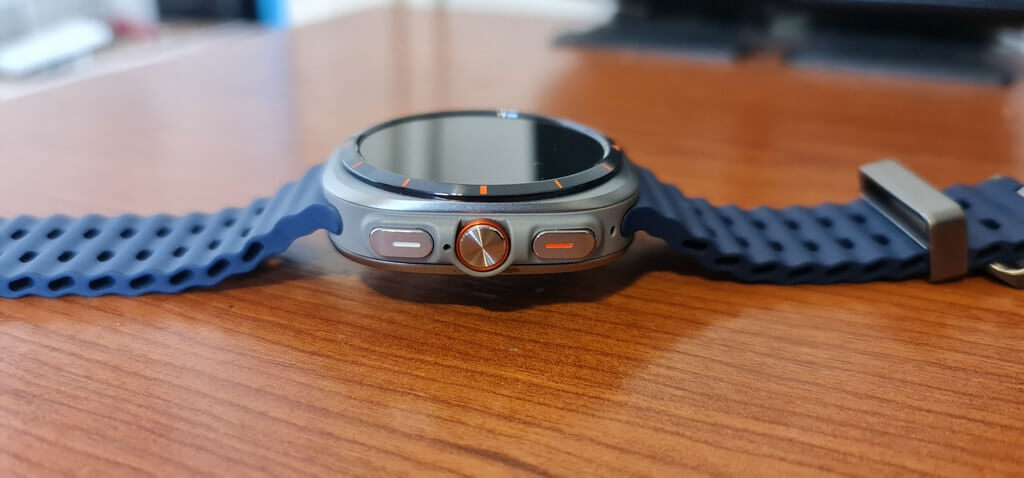
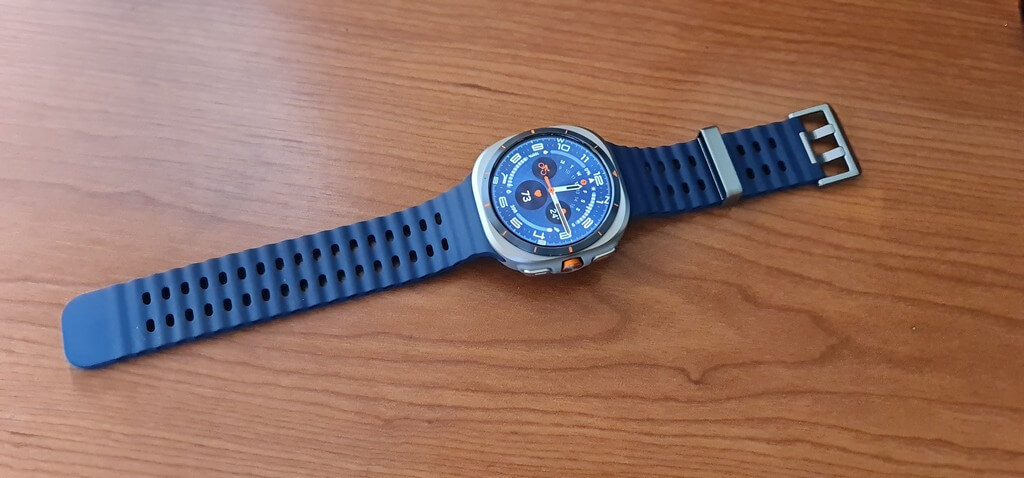
The robust watch strap uses a unique snap-on system, and the strap itself is multi-adjustable with steel fittings. As for the unusual shape of the titanium watch housing, which is often described as a squircle, I’m very taken with it. I have a small wrist, yet it fits perfectly and doesn’t feel out of place. The three buttons – home, quick, and back – are a good size, easy to find, and totally customisable. Instead of a physical rotating bezel, one rotates a finger around the screen for the same effect. And, talking of the Super AMOLED 1.5″ 480×480 16m colours screen, it’s remarkably clear at 3000 nits and can be viewed in the brightest sunlight.
Out And About With The Galaxy Watch Ultra
For the last couple of months, I’ve been cycling around 20 km a day, and I like to keep a log of my travels. Previously, I would need to take my phone with me until I bought the Ultra, but since it has LTE, I activated the eSIM and now leave my phone at home because the watch replaces it when I’m out and about. The watch takes a mind-boggling amount of measurements when I’m cycling – heart rate, average speed, distance, duration, VO2max (maximal oxygen consumption), and even includes a map of where I’ve been. I’m very pleased to note that my health figures are well within parameters for my age!
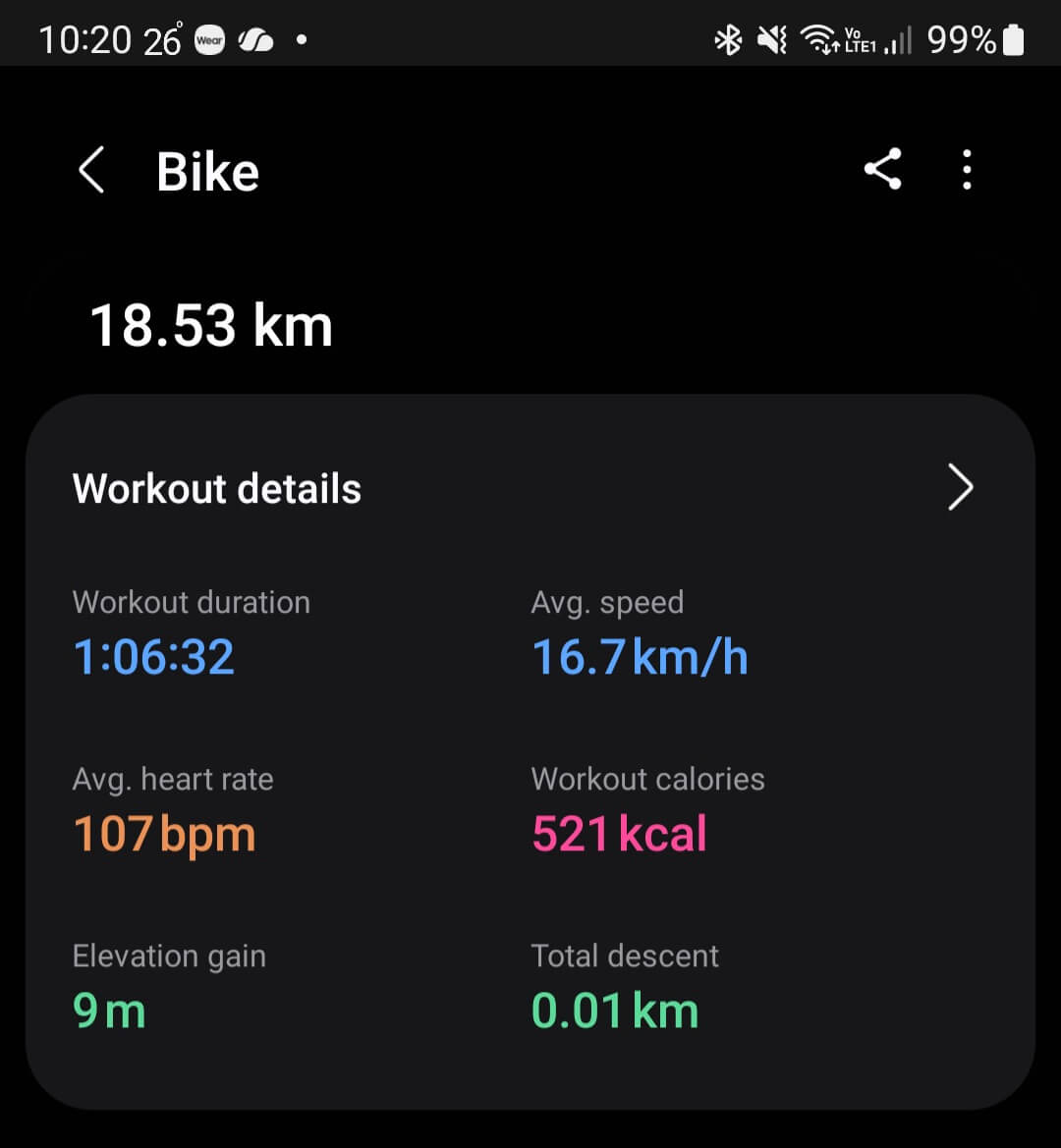
Considering that I went a long time without any significant exercise, I’m quite pleased with how my body is responding, yet I treat the health results as a guide to my general fitness. Naturally, I would consult a medic if I felt unwell and certainly don’t try practising for the Tour de France! As for communication, I find speech-to-text is the easiest way to send messages on the watch because the keyboard is so small, even though I can use swiping. I installed the Gboard keyboard layout, tap the mic, and my voice is instantly converted to text, remarkably accurately, I might add. I usually do this to let my wife know that I haven’t disappeared down a hole and for her to put the beer on ice.
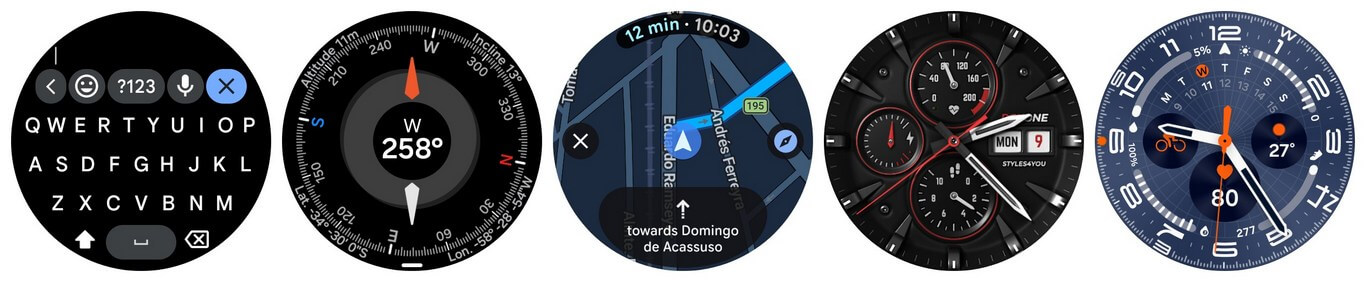
I’ve installed many of my most-used apps on the Watch Ultra, but not all. Rain Alarm is one I use several times a day, as well as Google Maps, Windy (for more detailed weather information), and, of course, Samsung Health is preinstalled. Other apps for banking and suchlike, I leave to my phone, although with NFC, I could use the watch with Google or Samsung Wallet. Battery life is almost two days (in power saving mode), and charging from about 35% only takes around forty-five minutes when placed on the magnetic, USB-C charging puck.
Conclusion
I’ve barely scratched the surface of what the Galaxy Watch Ultra is capable of – gestures, watch faces (there are thousands available), sensors, and a multitude of apps – and I’m still discovering new features, although I’ve only had it for a week. For me, it’s the perfect companion to my Galaxy Note 20 Ultra. I’m absolutely delighted with it, and this time around, I don’t intend to underestimate its capabilities, but to use it to the fullest.
—
