

No one would disagree that children need to be protected from unsuitable content on the internet – the UK OSA and recent Australian laws are good examples of this kind of government intervention – but age verification at the operating system level? You’ve got to be kidding, right? No, I’m not.
Age Verification At Operating System Install
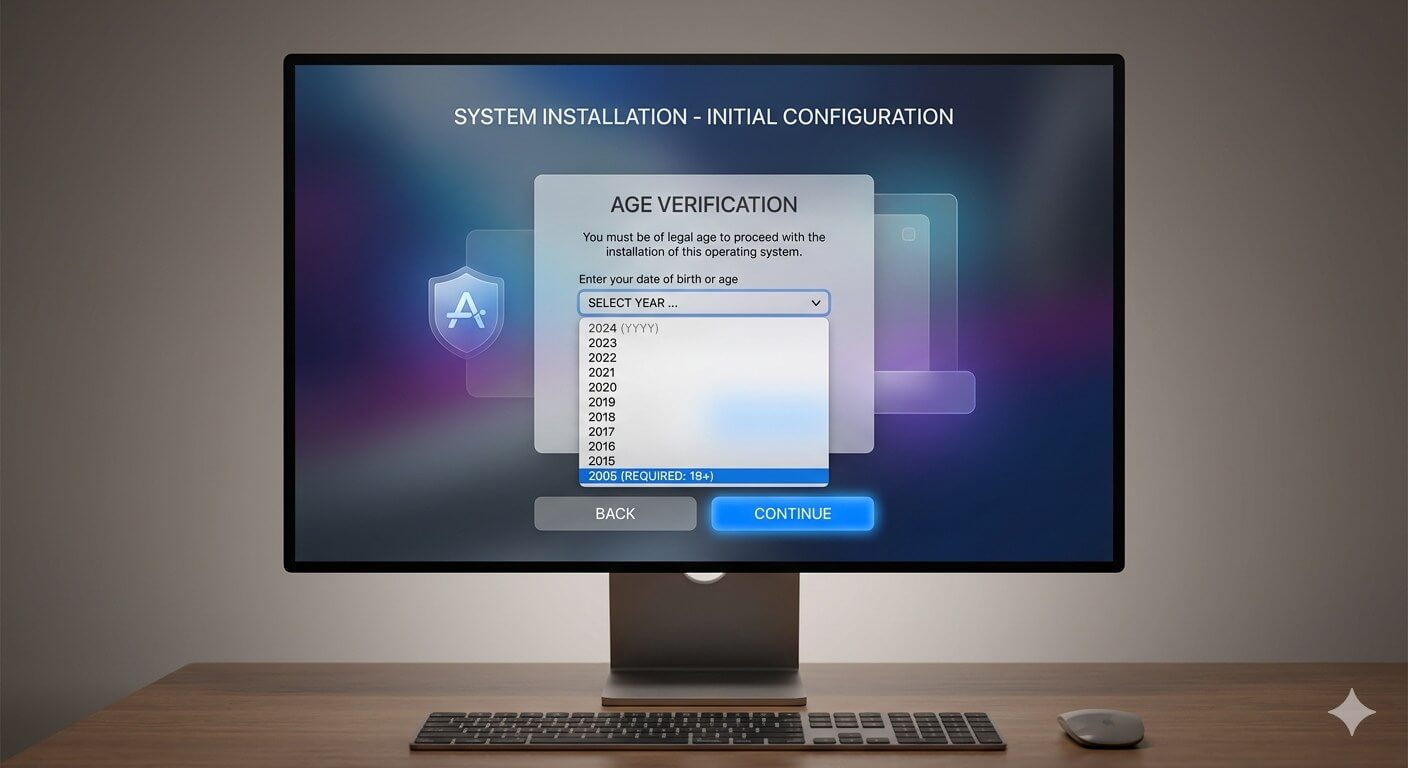
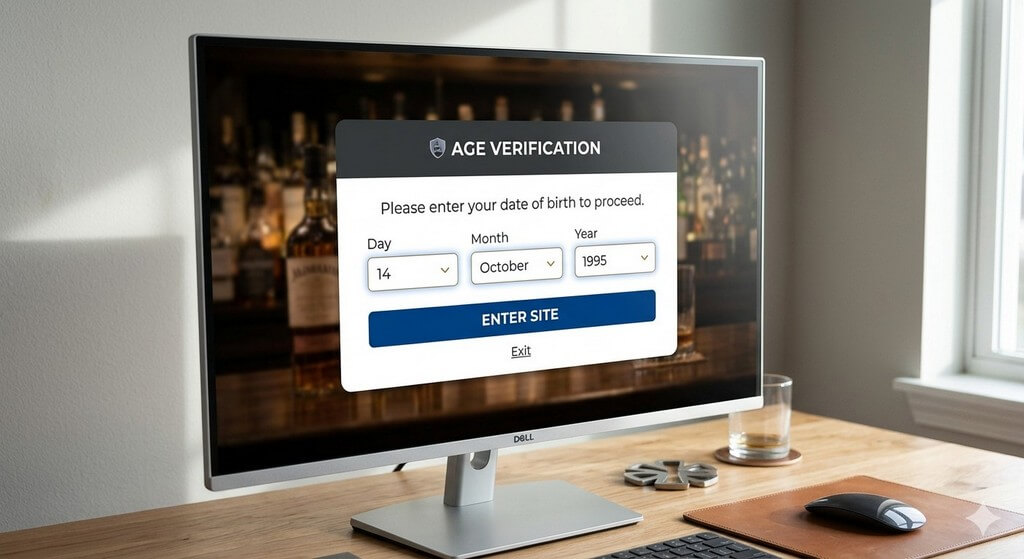
California, Colorado, New York, Brazil, and the EU are introducing laws that require operating systems – Windows, Linux, etc. – to verify user ages at the install stage and to categorise them into groups, 13, 13-15, 16-17, and 18+. It’s not clear what kind of age verification has been mooted, so for now, most are assuming a simple age confirmation drop-down, but I wouldn’t bet on it. However, a simple drop-down is hardly verification because, in my experience, you can choose any age you like. For example, Steam recommends games to me and sometimes asks me to confirm my age, to which I insert 1st January 1900, simply because I can. Therefore, this can hardly be seen as verification as such because, really, it’s self-attestation. However, one cannot completely discount this being taken one step further, with some form of ID being required, which would shift this into completely different territory.
This Will Be A Problem For Linux Distros

For Windows, Mac OS, iOS, and Android, this may not present a huge challenge, bizarre though it may be. But for Linux distros, of which there are hundreds, it represents not only a real headache, but directly conflicts with the entire philosophy of Linux, being open source, free from bloat, and more than anything, free from scraping your personal information. To date, reaction from the major Linux distros is limited, but those who have responded are considering how to implement an API to comply with the laws that don’t end up as a privacy disaster. Others are resisting its implementation, calling it ‘retarded’, with some distros updating their licenses to explicitly exclude California residents from using their OS for desktop use until a more satisfactory solution is reached. What is clear is that wishy-washy age verification for open source OSes is totally impractical, and one wonders whether those do-gooders know anything about operating systems at all, and even if they had the well-being of minors in mind to begin with.
Operating Systems Are Designed To Be Hacked
Most politicians know zero about computing and technology, and probably employ lackeys to do their dirty work and then take the credit for doing bugger all. On the other hand, as we all know, if a policy backfires, they are quick to find others to blame. But what these air-heads don’t realise is that most kids know how to circumvent – aka, hack – software fences better than most adults, so age verification is now an ongoing battle of us vs them, actually created by them, to put it succinctly. One only has to look at how easy it is to get around Windows 11’s ludicrous hardware and account setup requirements to realise this.
It’s so easy to become clichéd and to quote George Orwell about moves like this, but that is the sorry state into which we have fallen. On the other hand, self-attestation is hardly age verification, and these laws only need amendments to ironclad them with photo IDs, at which point the backlash will indeed be more severe, nay, widespread rejection of these retarded laws.
—
