

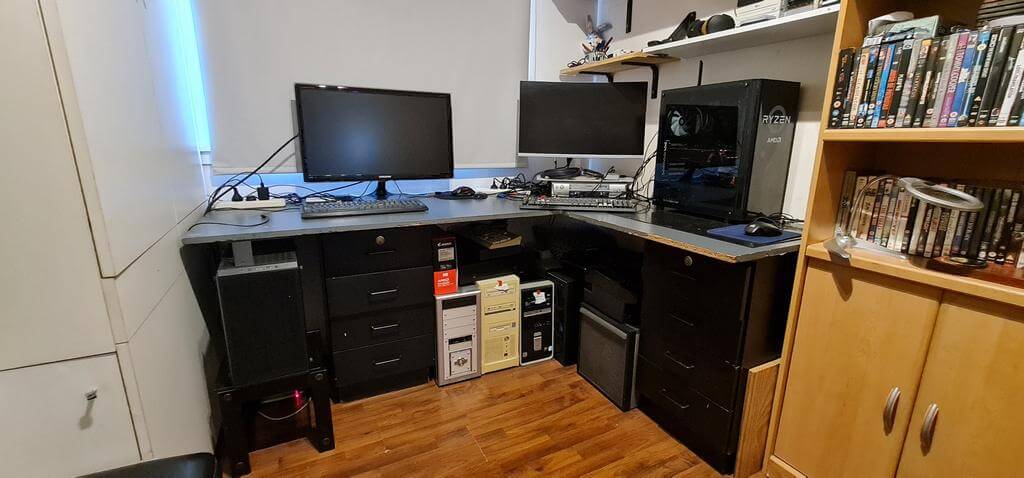
First, let me make it clear that I’m not being braggadocious here, but I am curious about how many computers people use in their households, be they Windows, Linux, or Apple-based. In my recent experience, I’ve found a shift to more mobile use, and many of my customers are moving away from laptops and desktop computers. Even the younger generation, for whom I’ve built gaming PCs, has perhaps grown out of that hobby and moved on to something else.
I Wish I Hadn’t Sold That Graphics Card!
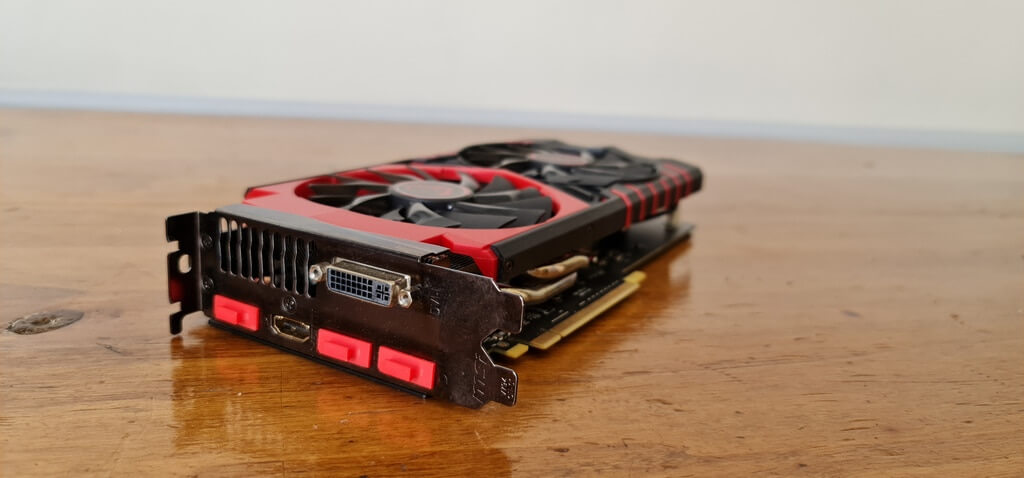
You can substitute a graphics card (GPU) with any number of computer components, in my case anyway, because I’m a collector of things on the basis that it may come in handy one day. But yes, I have sold components such as perfectly good GPUs and regretted it years later. This is mainly because it’s always handy to have spare components for testing, in my line of work anyway, so I don’t sell components anymore.
I Probably Have Too Many PCs!
This is because I like to have backups in case the worst should happen, which it did back in 2021, which I wrote about in How I Saved My Gaming PC From A Flood. Fortunately, I had a spare gaming machine to use while I fixed the stricken one!
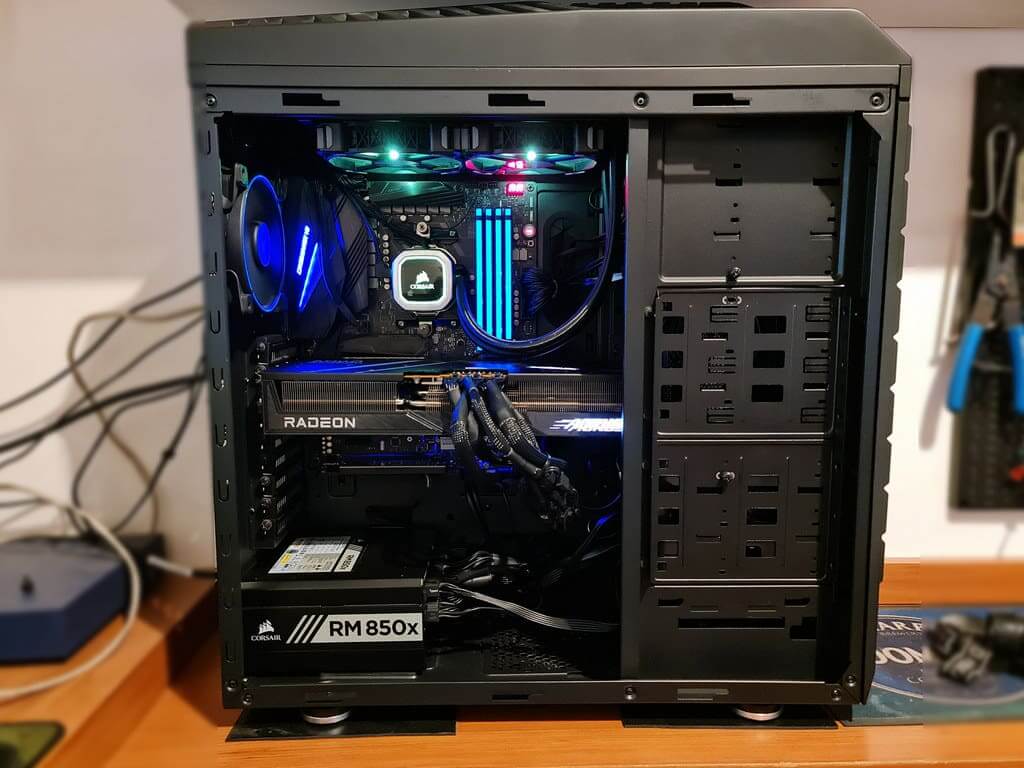
My main PC, a gaming rig, is an AMD AM4 socket setup with a Ryzen 5700X3D CPU, Radeon RX 9700 XT GPU, and 32GB of DDR4 RAM.

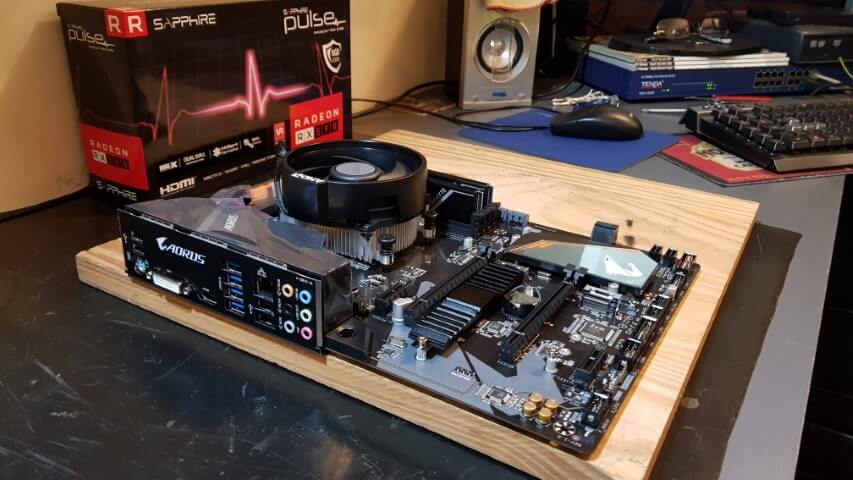
The other two have similar Ryzen CPUs, Radeon GPUs, and 32 GB of RAM, also, which I use for VHS conversion and video editing. All have NVMe, WiFi, Bluetooth, full-size ATX motherboards, but clearly no CD/DVD drives.
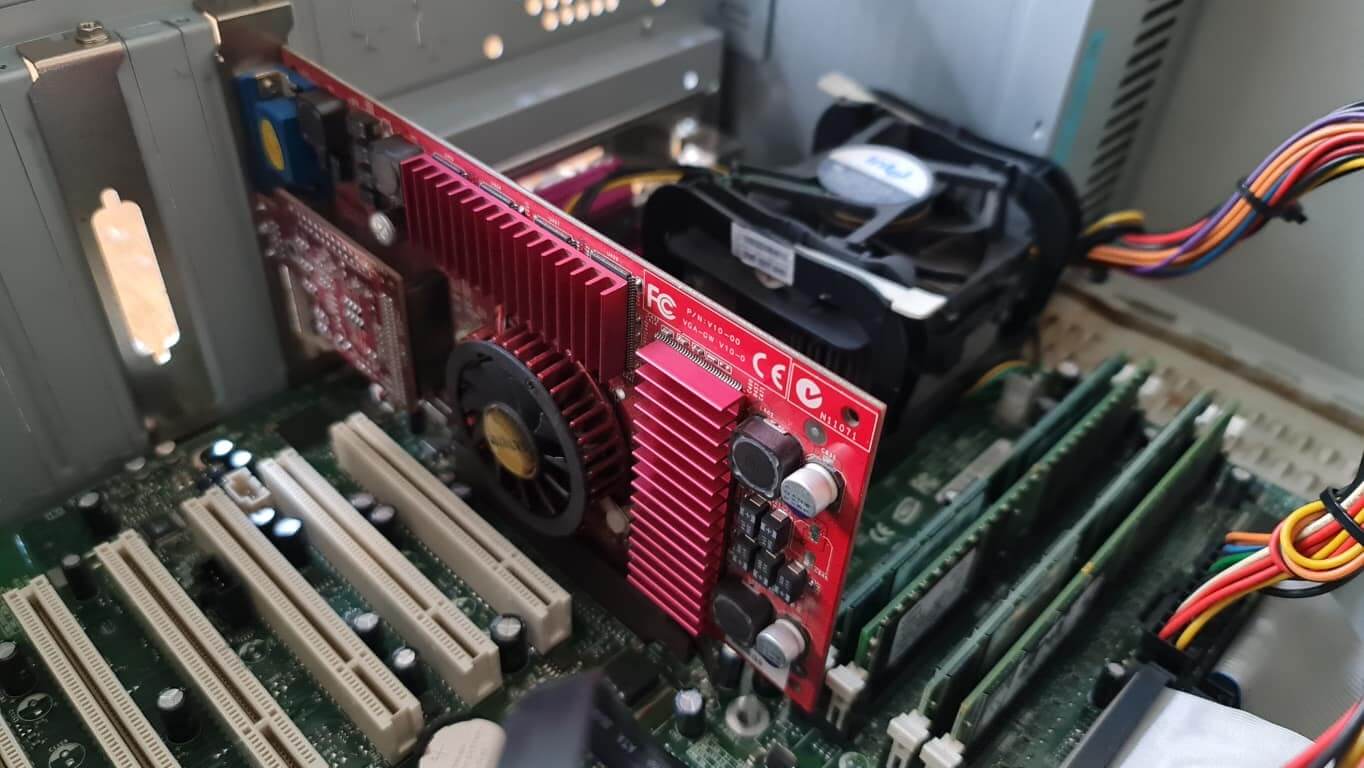
Having said that, I do have an external USB DVD drive and a USB floppy drive because you never know when you might need them. In fact, this week a customer will be bringing around 20 DVDs containing family videos for me to rip, for which I’ll be using Video Proc. I could also ‘ghetto mod’ one of the other PCs with a SATA DVD drive to speed up the ripping process. I also collect and build retro PCs if I find something interesting, which run Windows 98, Windows XP, and Windows 7 (my favourite OS).
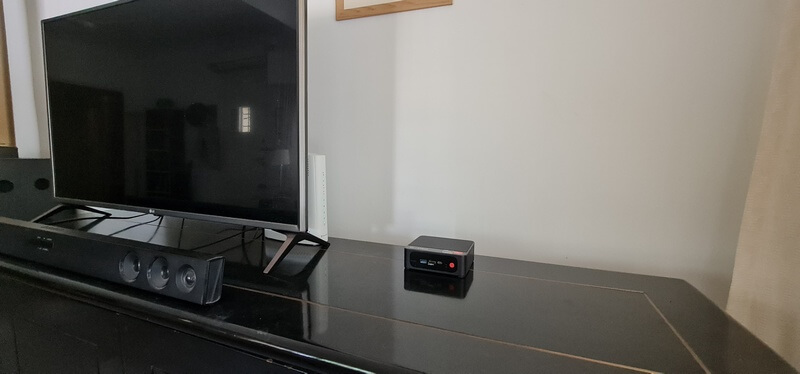
For me, computers are both a hobby and work, which is probably why I have so many. That’s my excuse anyway! However, a full-size PC in the living room is not ideal, which is why I bought a Beelink mini-PC a couple of years ago. It’s connected to an LG smart TV, which I’ve dumbed down and stream through browsers.
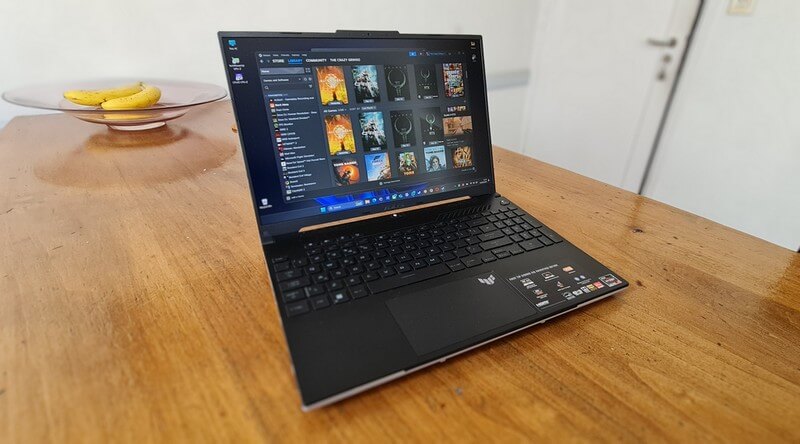
We both have a laptop each, hers being a Samsung Book 4, which is fast and very well specced, with mine being an Asus TUF Gaming A16, both of which we bought on sale in the UK at a fraction of the price we would have paid in Argentina. I should add here that we don’t have one Apple device in our household, but that’s a discussion for another day.
For her accounting work, my wife has an Athlon 3000G PC, which is perfectly adequate for spreadsheets and browsing. I may well upgrade it to a Ryzen in the near future if I can find a decent price, bearing in mind availability in the semiconductor industry, although I still have plenty of DDR4 RAM, so that shouldn’t be a problem.
Well, I think that’s enough from me. How many PCs do you have in your household?
—

I have 6 pc’s in my household , all desktops, I don’t fancy laptops because everyone I had ever owned wound up with cooling issues sooner or later and I really do not need to travel with my data anyway.
All 6 pcs were previously Windows operating systems which now 5 are Linux and 1 Windows I have to keep for proprietary software reasons at work, when I retire , that one will go Linux also.
There are six PC’s I actively maintain, ranging from a venerable Acer D250 32-bit (slow, but good for use when traveling — it’s totally depreciated 😉 to a more modern Dell with i7 CPU. All are running Ubuntu, with two dual-booting to Windows on the rare occasion I need that OS. (If future Ubuntu releases require snap, I’ll swithc to another Linux distro.)
There are also ZX81, Atari 800XL and Atari ST machines, which have been relegated to the closet. At one time, I’d purchased about a dozen 600 XL’s, 800XL’s and 130XE’s to equip a public-school classroom, where students used them for school publications, learning games, etc. Most of those 8-bit PC’s were bought for US$50 or so.
Thanks for all your comments and I’m glad I’m not the only one with an army of computers!
Well Marc, I also have 6 computers, one being a laptop, Mindblower!
I’ve given away more computers and laptops then I currently own now, and I’m counting around 8 or so in the house now, I fix’em up and give them to people in need or who I think need one.
I have 2 PC’s and 2 laptops and would not have it any other way. There are many things I cannot do, or hate to do, on a mobile phone. Not the least of it being my eyesight. Nothing replaces seeing everything clearly and functionally on my two large monitors. The mobile will never replace them. NEVER!
I have 3 desktops hooked up. 2 in mothballs. 1 laptop hooked up and 3 in mothballs. Bearing in mind that most of my tech is from the Stone Age. 🙂
There are 5 units in our house, My son has a laptop and a gaming desktop, my wife has a laptop, and I primarily use my work laptop while occasionally getting a flicker of life out of my old personal laptop. These are all running on Windows 11. Meanwhile we’re all becoming more proficient at doing computer stuff on our phones, but I don’t think I’d ever make a complete transition.